
About
Supporting People and Nature Through Conservation Funding
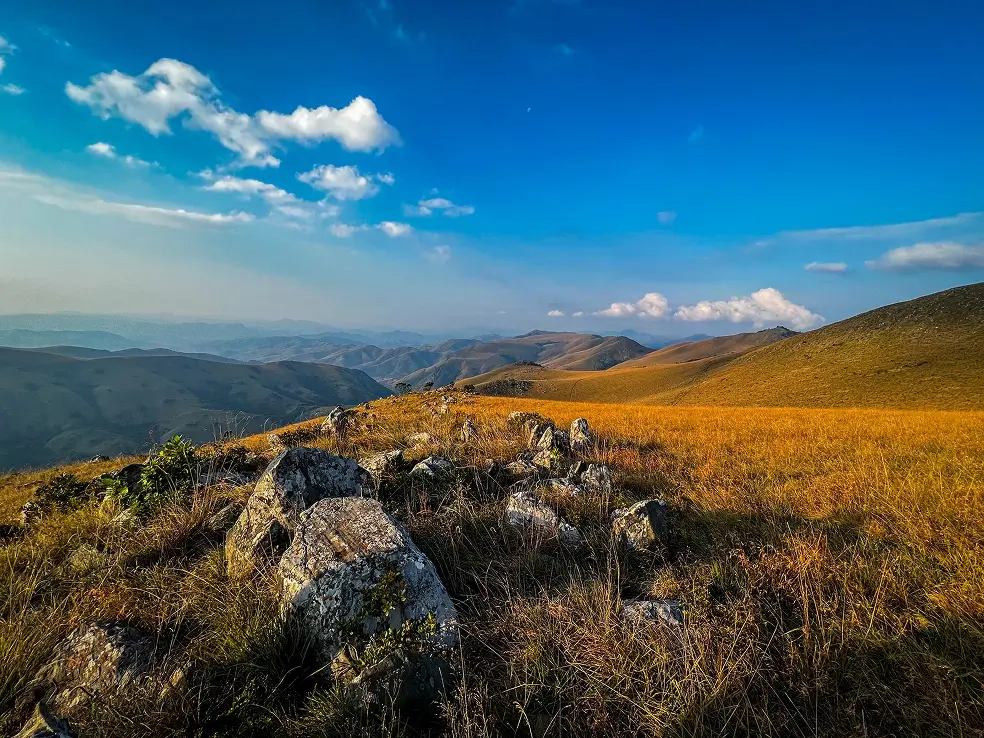
The Conservation Heritage Foundation (CHF) was established to meet a critical need: to connect meaningful biodiversity conservation with the improvement of human livelihoods across southern Africa.
We recognise that true conservation success must deliver not only ecological outcomes, but also social and economic benefits for the communities who depend on nature. That’s why our work focuses on providing strategic, sustainable funding for conservation projects that protect our natural capital while supporting local development.
CHF is a registered charitable foundation and a Public Benefit Organisation (PBO) under South African law, enabling us to issue Section 18A certificates to eligible local donors.
Our Role in Conservation
The Foundation acts as a catalyst — providing seed and catalytic funding to unlock and scale impactful conservation initiatives. We support projects that:
While our work spans the region, we have a strategic focus on the Maputaland-Pondoland-Albany Hotspot — one of South Africa’s three internationally recognised biodiversity hotspots. This focus builds on the legacy of a significant US$6.65 million investment made in the region by the Critical Ecosystem Partnership Fund (2010–2015).
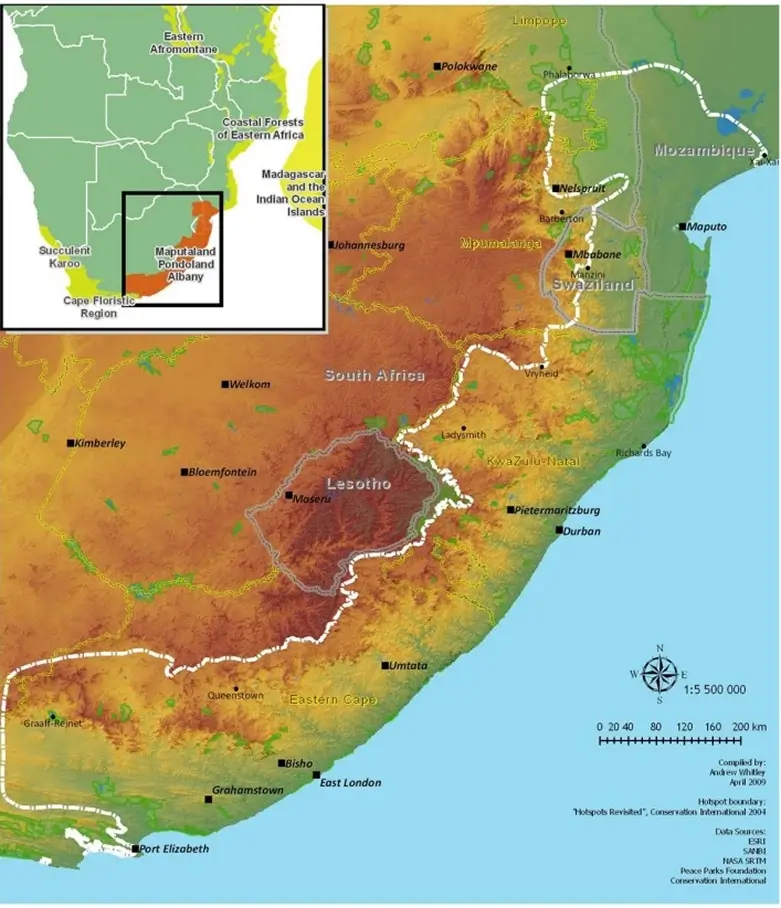
Why Focus on the Maputaland-Pondoland-Albany Hotspot?
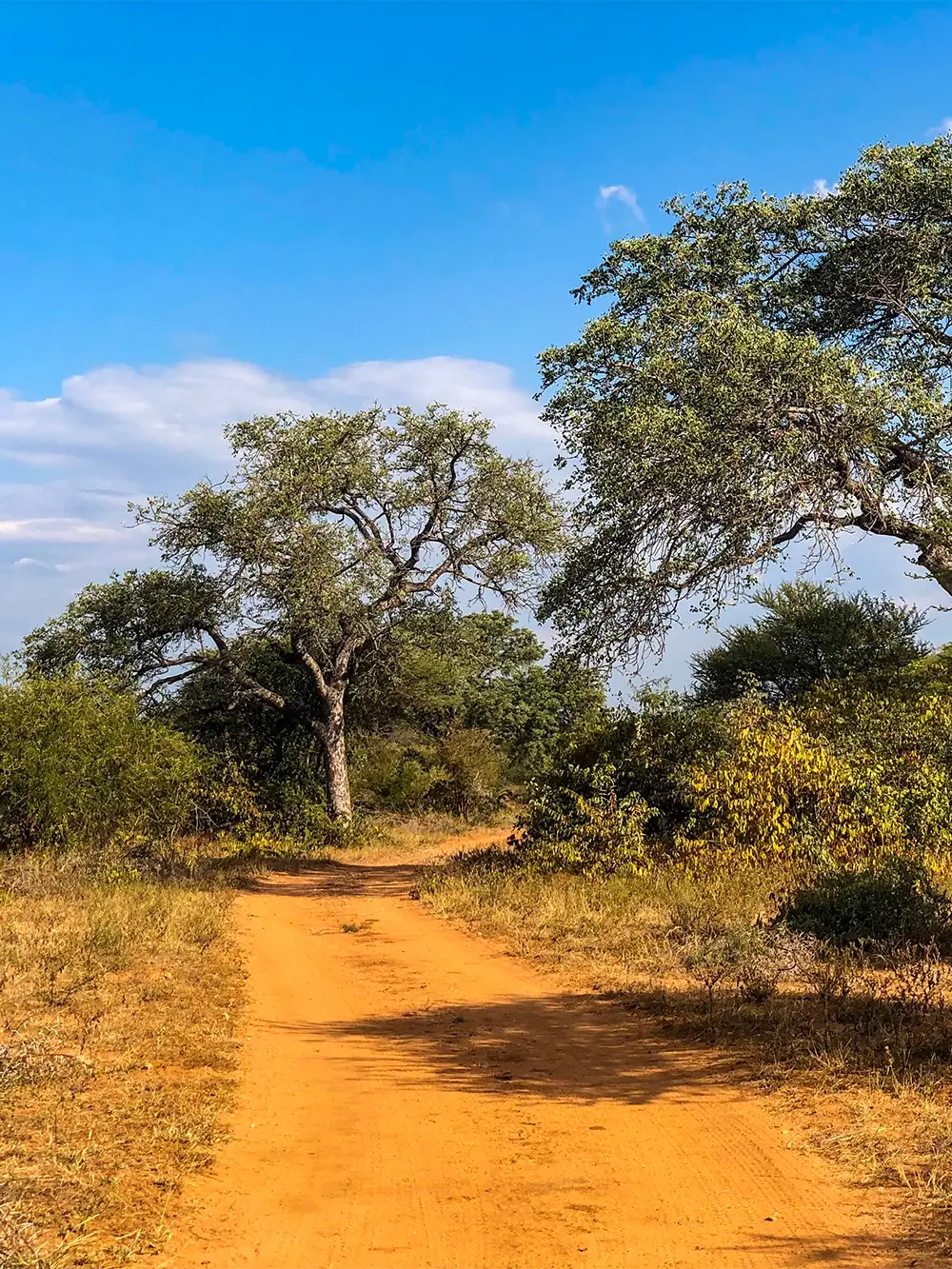
Although the Foundation operates across southern Africa, our strategic focus is the Maputaland-Pondoland-Albany Hotspot — one of only three internationally recognised biodiversity hotspots in South Africa.
This region is a global conservation priority, home to:
But this rich biodiversity is under serious threat from habitat loss and degradation.
From 2010–2015, the Critical Ecosystem Partnership Fund invested US$6.65 million in the region. A key outcome of that work was recognising the need for a sustainable conservation funding platform — which led to the creation of the Conservation Heritage Foundation.
We are building on this legacy to ensure long-term protection of this unique and irreplaceable natural heritage.
About the trustees
CHF was founded in 2019 and is governed by a Board of Trustees in accordance with a formal trust deed.
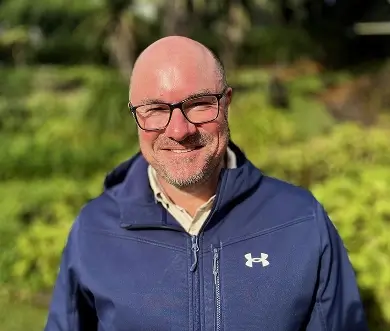
Gregory Martindale
Driving sustainable land management through science and law.
Greg is a professional natural scientist with MSc and Environmental Law degrees, bringing deep expertise in biodiversity stewardship and policy. As a former Programme Manager at Ezemvelo KZN Wildlife, he helped protect over 100,000 ha of land, working across government and NGO sectors.
Greg’s research on livestock grazing and grassland biodiversity informs much of his work. He has consulted for major conservation initiatives like SANBI and WWF-SA and led projects in South Africa, Australia, and Malaysia. His unique blend of ecological and legal knowledge makes him a leader in integrating conservation with land use planning.
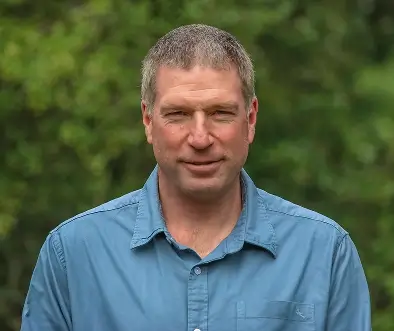
Kevin McCann
Championing conservation partnerships through biodiversity stewardship.
Kevin is a Director and co-founder of Conservation Outcomes. With nearly 30 years of experience and an MSc in Zoology and Ecology, he specialises in helping landowners secure protected areas through biodiversity stewardship. His work spans NGOs and government, including founding the KZN Biodiversity Stewardship Programme.
Kevin has spent over two decades promoting protected areas as a foundation for connecting people to nature. His expertise includes protected area management, community conservation, and sustainable funding models. He has supported diverse landowners across South Africa, offering practical tools and knowledge to overcome the complexities of conservation in production landscapes.
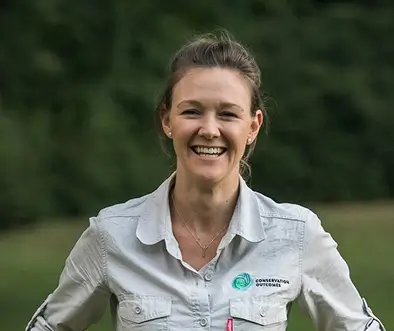
Cilla Hilcove
Conservation research meets real-world impact through data and fieldwork.
Cilla is a conservation biologist with a strong background in environmental economics, field-based research, and GIS. Her work supports evidence-based management of priority species and protected areas, especially in private reserves.
After earning an Honours in Environmental Economics from Rhodes University, Cilla spent several years at Phinda Private Game Reserve managing ecological research and facilitating global university collaborations. Her data analysis and field coordination helped guide the reserve’s conservation management strategies.
Previously, Cilla worked with Wildlife ACT as a Priority Species Monitor, focusing on wild dogs, cheetahs, lions, elephants, and rhinos. She also led leopard camera trap surveys in partnership with Panthera.
Currently completing her Masters in Conservation Biology at the University of the Witwatersrand, Cilla combines field experience with analytical rigor to inform effective conservation action.